
Our story
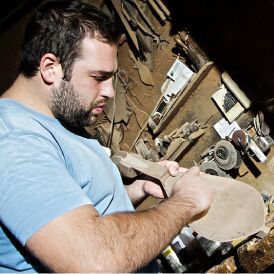
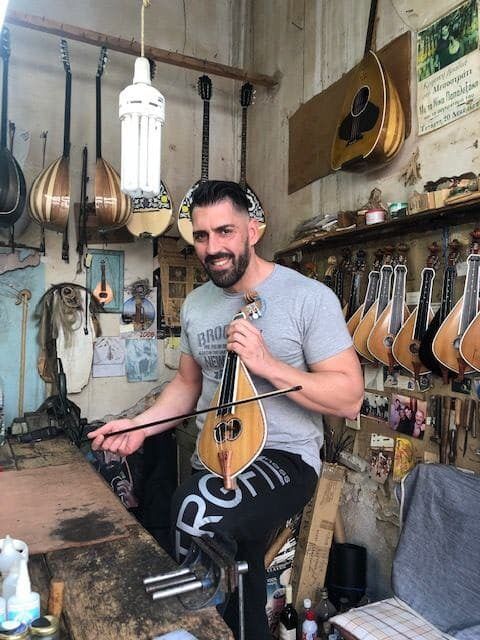
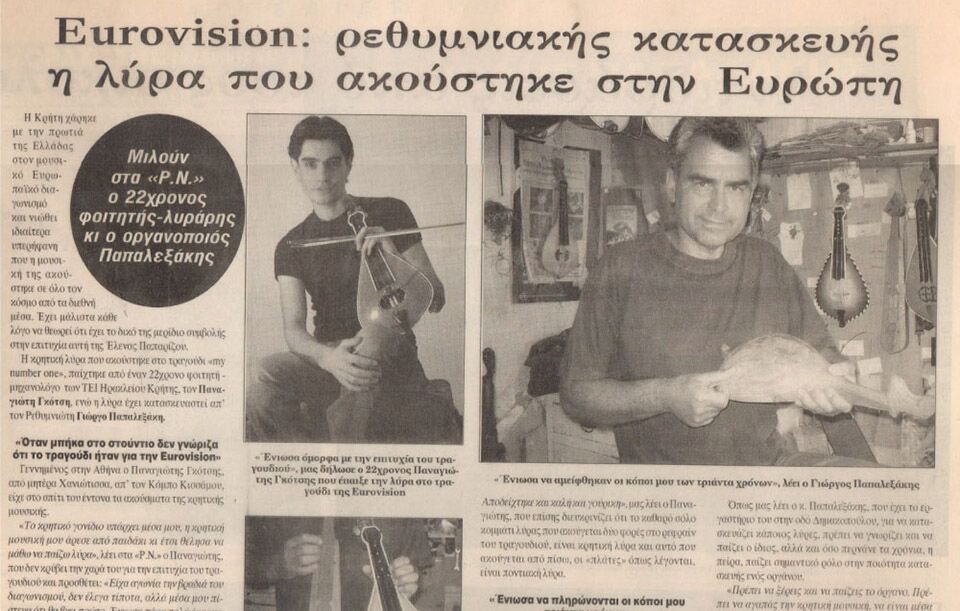
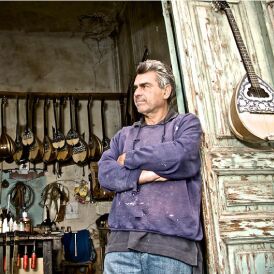
He made his first ‘Lyra’ when he was around six years old and this he did using a piece of wood that looked a bit like a Lyra then he placed 3 nails on the top and 3 on the bottom and used some fine wire as strings. For the bow he took a branch and with some donkey tail hairs tied them to the top and bottom of the branch. After finishing elementary – high school George decided to move to Athens where he studied at the Sivatanideio – OTE School of telecommunications and then decided to further his education by studying at the SELETE – School of Technology and Education where he finished with a Teaching Diploma for Technology.
From generation to generation - The Father, the Son and the youngest son!
– LIRES PAPALEXAKIS
THE FATHER
PAPALEXAKIS CREATIONS
I HAVE BEEN DOING THIS FOR NEARLY 40 YEARS AND BECAUSE OF THE LOVE I HAVE FOR ART AND TO CREATE AS WELL AS THE EXPERIENCE GAINED THROUGHOUT THE YEARS I AM ABLE TO PUT ALL MY EFFORTS TO GIVE ONLY MY BEST FOR A LYRA AND FOR CRETE!
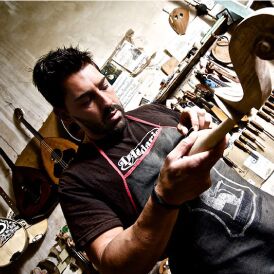
THE SON NIKOS
THE SON GIORGIS
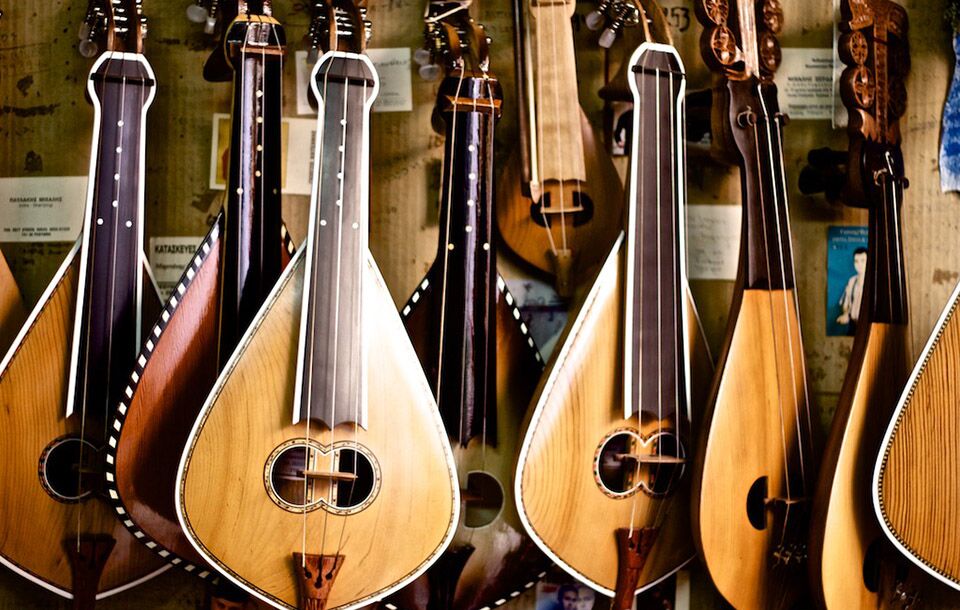
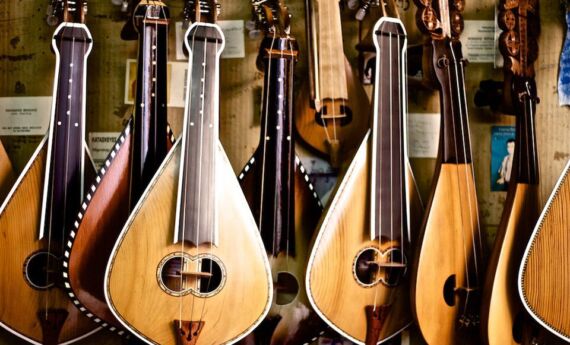
products
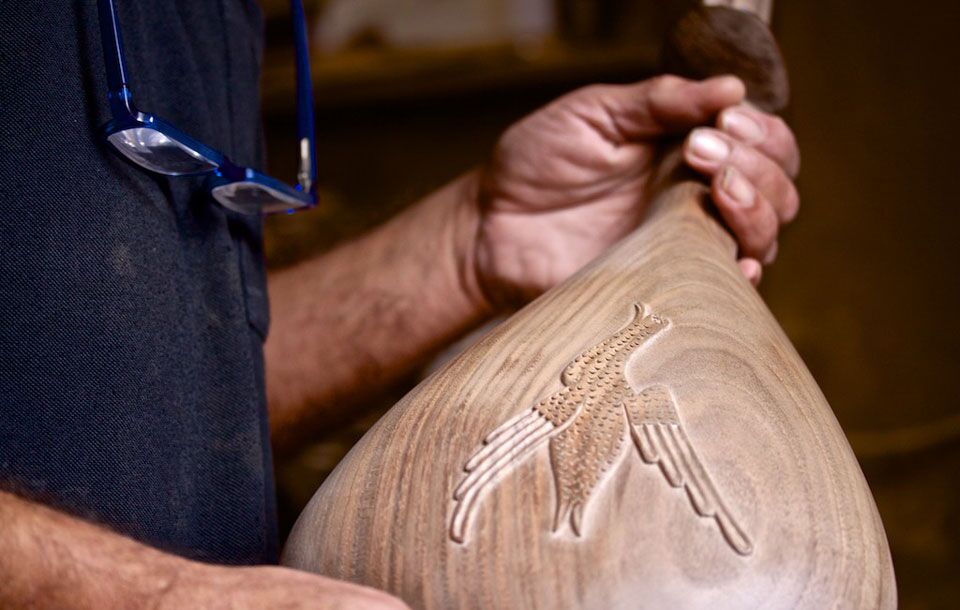
It is an art that requires great detail, fine craftsmanship and unending patience

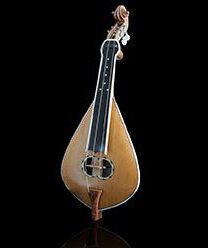
This is a Lyra used by professional musicians. According to some old-time lyra musicians from Rethymno Gianni Papadaki – Karekla (son of Karekla a distinguished player) and Gianni Markogianni one of the greatest Lute players, the shape of the lyra has since that time changed and responsible for changing the shape was Giannis Papadakis – Kareklas who made Lyras and cousin of the above mentioned well-known lyra player. Giannis Papadakis during the war fought in Albania but unfortunately was never to return.
In fact, I have myself repaired one of Giannis Papadakis Lyras which had that particular shape. This lyra is tuned La – Re – Sol but can also be altered to a higher or lower note according to the musical abilities of the lyra singer.
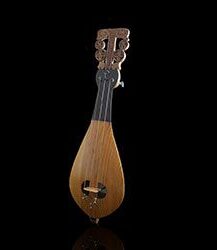
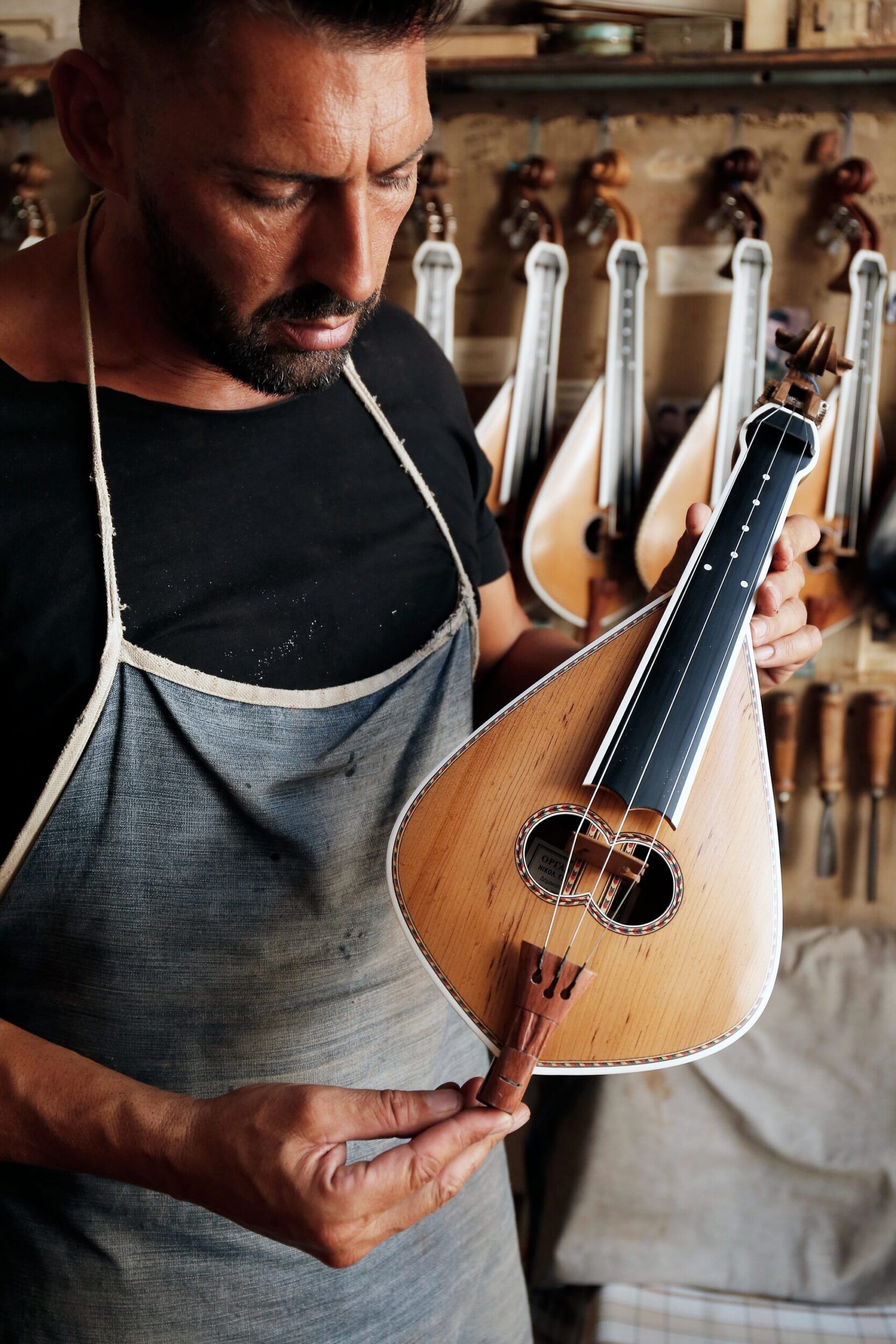
In years before, the style of the Cretan Lyra was pear-shaped Lyra. The strings are tuned to La – Re – Sol and when played the sound of this type of Lyra reminds takes you back in time with the sounds of Sousta and Pendozali by Karaviti and other such musicians.
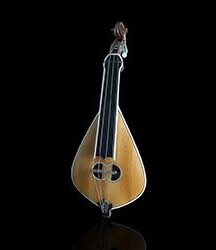
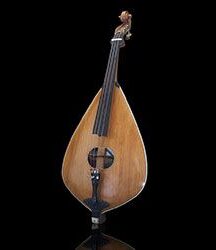
This is a professional lyra tuned Mi – La – Re – Sol giving the player an added possibility to play certain types of traditional Greek island so that the whole nature of playing has a different note to it.
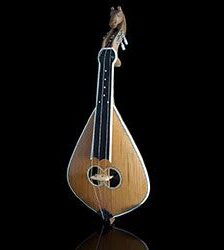
This type of lyra is larger than the normal lyra and is also tuned La – Re – Sol and has a much deeper sound.
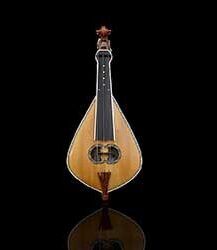
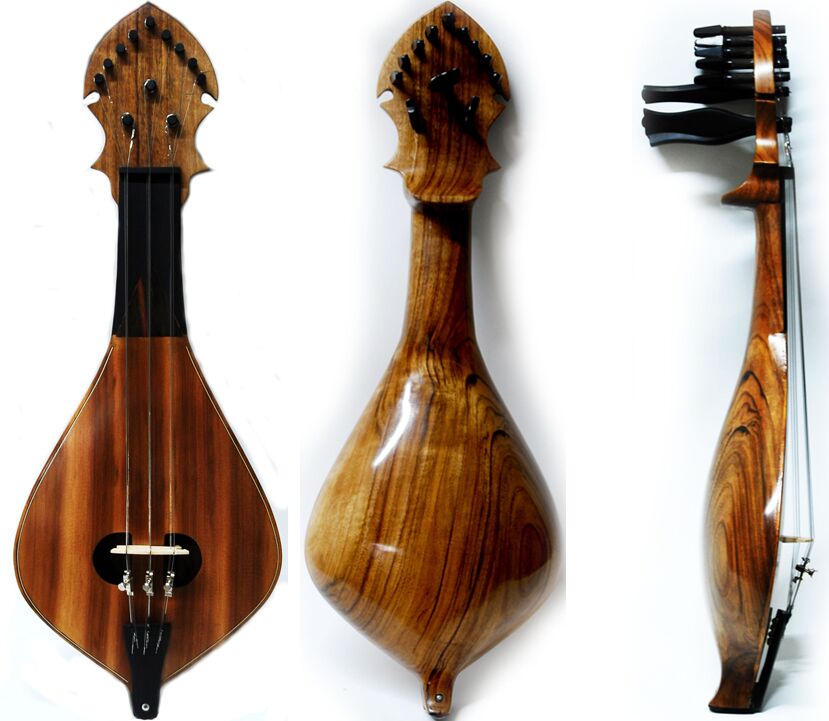
This is a professional lyra made from rosewood from the wild forests of Africa and for this reason it is very hard and heavy. It is a very difficult wood to work with but the finished product is quite amazing.
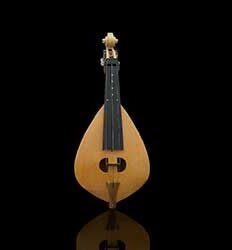
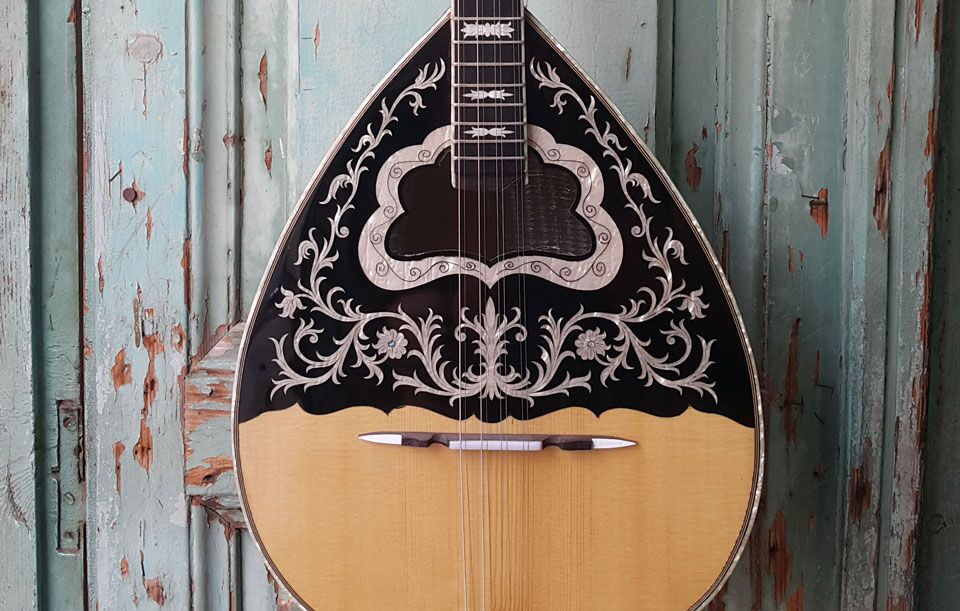
It is much the same as the professional lyra. The difference between these two lyras is the intricate design that the professional lyra has. However, the sound does not differ from a professional lyra.

It is much the same as the professional lyra. The difference between these two lyras is the intricate design that the professional lyra has. However, the sound does not differ from a professional lyra.
how a lyra is crafted
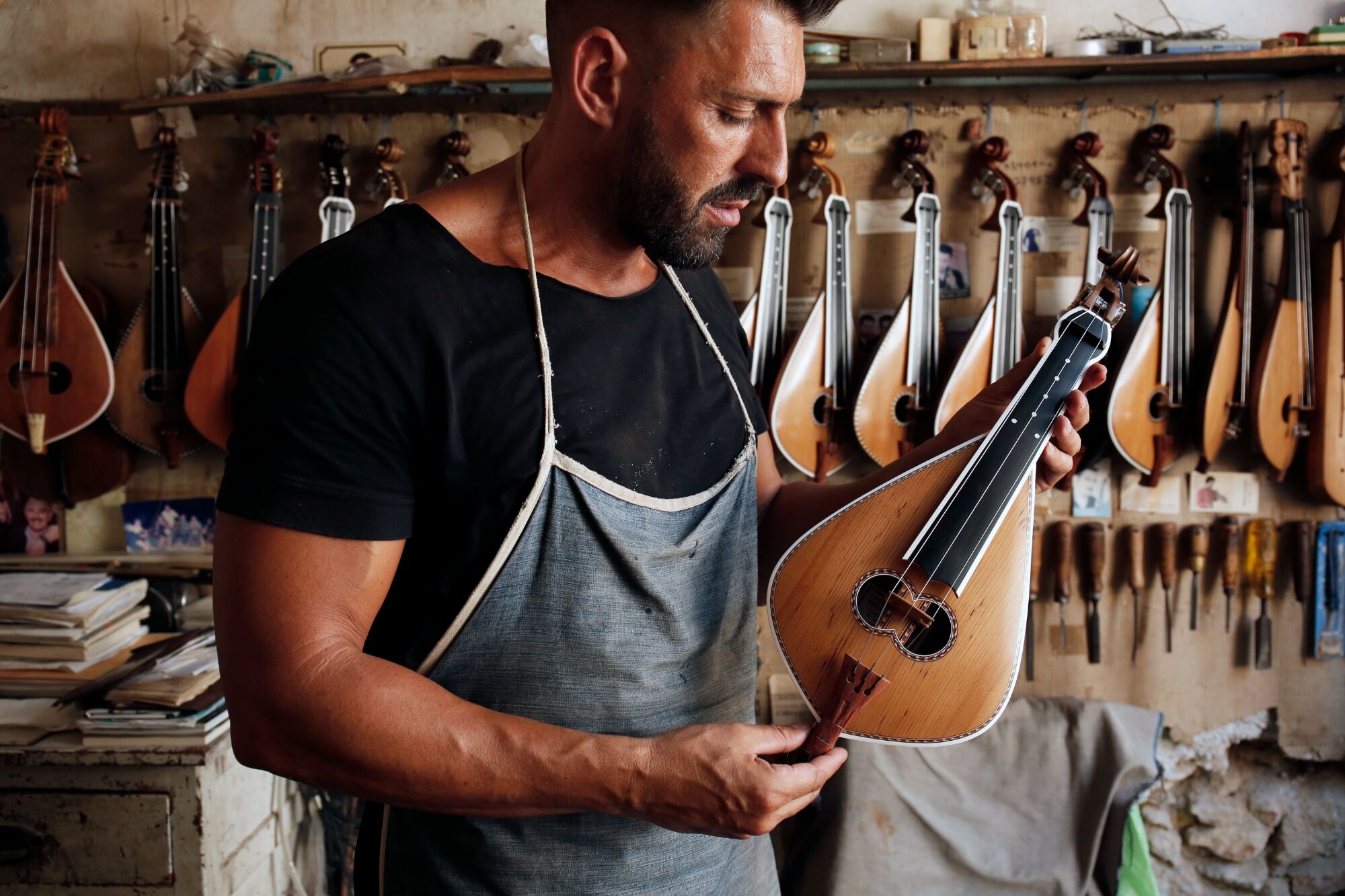
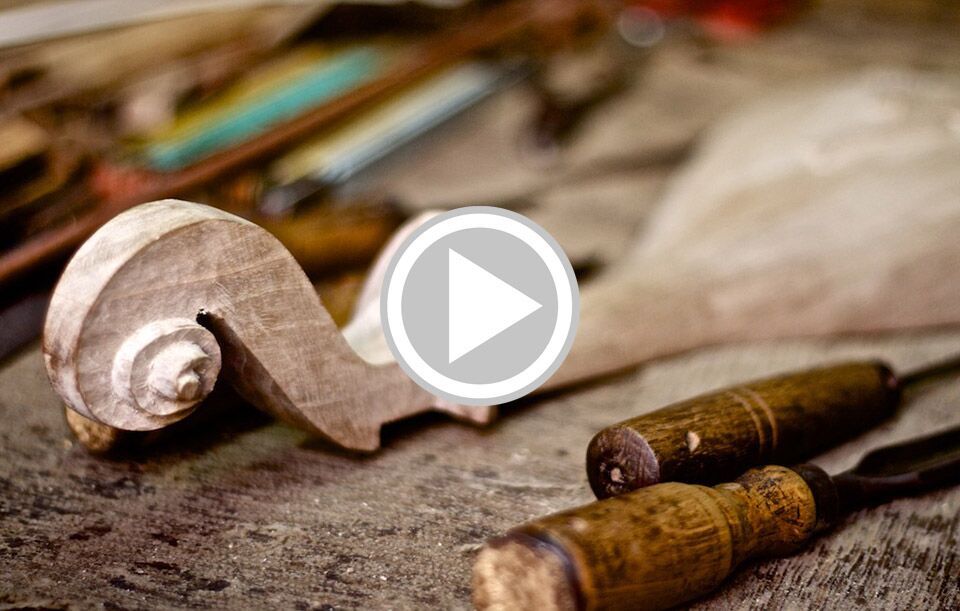
The back and body of the Lyra is usually made from wood such as walnut, mulberry, wild pear, rosewood, cherry as well as other types of wood. You begin by outlining the shape of the Lyra onto a piece of wood and then cut out the shape. You then continue to empty the wood from the inside using different tools as you continues to a certain level. The top face of the Lyra is made from a special type of very old wood called Katrani found mainly as the beams used in old Turkish and Venetian houses in Crete
Another part of the Lyra is the rider and tongue – the soul of the instrument which only the correct type of wood can be used to create the right sound.
The strings are metallic and different qualities. In the latter days, strings were made from animal intestines which even today there are some old craftsmen do still use to make strings. The bow is that for a violin but we also make our own traditional handmade styled bows decorated with bells.
In general, this is basically how a Lyra is made using these materials. In earlier periods, where poverty was stricken, the Lyra was made using cheap materials even Articas.
In this type of work you cannot rush, but you have to search yourself because art has no end and as you continue you see and meet new things
– LIRES PAPALEXAKI
PHOTO & VIDEO GALLERY
In this type of work you cannot rush, but you have to search yourself because art has no end and as you continue you see and meet new things
– LIRES PAPALEXAKI